The Rise of the Underdog
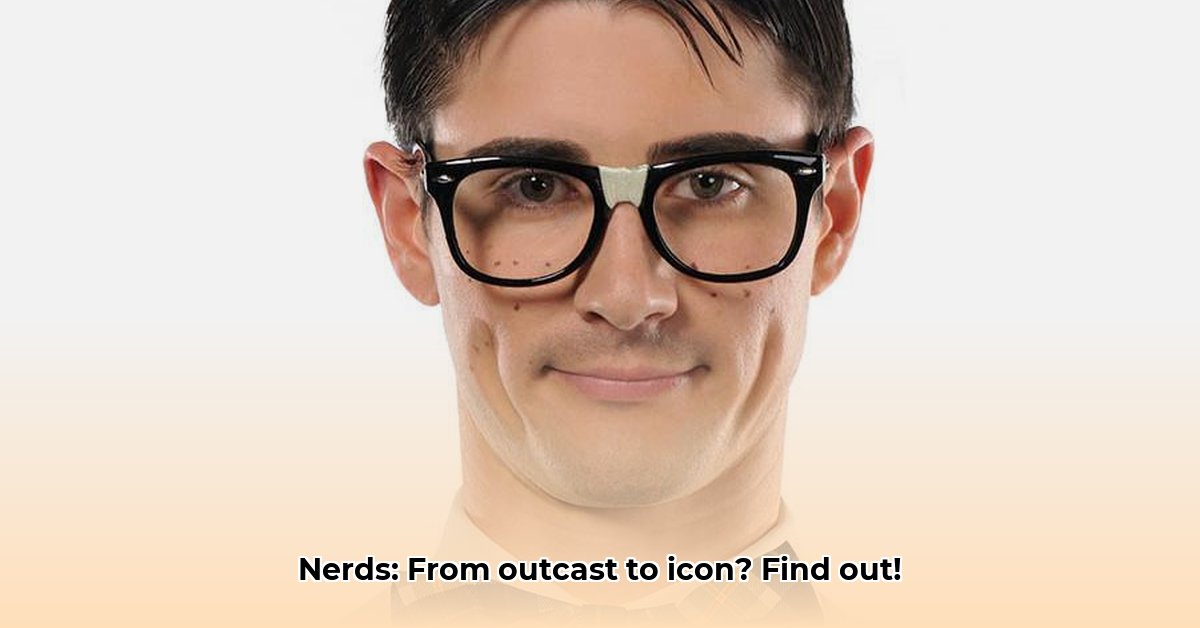
Remember school? Being a "nerd" wasn't exactly a picnic, is it? You were probably the kid glued to books, more comfortable with Pythagoras than the rugby field. Thick glasses? Check. Social butterfly skills? Let's just say you were better at coding than chatting up girls. The word stung; it was a label, a mark of social awkwardness, thrown around like a mudball by those who didn't get you. Movies and TV often reinforced this, portraying nerds as clumsy, clueless characters. Not exactly a flattering image, ja?
The Digital Dawn
But then things changed, ag shame. Computers and the internet exploded onto the scene, and suddenly, those previously labelled "nerds" found themselves leading the charge. Their skills – coding, problem-solving, navigating complex systems – became seriously valuable. Those clunky old computers of the 80s were replaced by sleek, powerful machines, and the digital world went boom. And with it, so did the "nerd" community. Wouldn't you know it?
Embracing the Label
This wasn't just about the tech; it was about connection. Online forums popped up, creating spaces where being a nerd was a good thing. It was a place to connect with like-minded individuals, regardless of your location. Suddenly, those solitary hobbies transformed into friendships and a profound sense of belonging. This was more than just chatting about tech; online spaces flourished with creativity, exploding with fan art, cosplay, and endless discussions. It wasn't just a bunch of mates hanging out; it was a culture forming right before our eyes. How amazing is that?
The Power of Shared Passion
This wasn't a happy accident; it was a conscious shift. Nerds started to own the label, turning a negative into a positive. This wasn’t just about a word; it reflected a broader societal shift—a greater acceptance of individual quirks and passions. Isn't that something?
From Outcasts to Influencers
Today, you can't ignore the "nerd" presence. Comic-Con, gaming conventions, even massive tech shows – they're packed! It’s no longer a tiny niche; it's a multi-billion-rand industry. This success is a powerful testament to the strength of community, the impact of technology, and a growing acceptance of different interests. Think about the massive success of Marvel movies, the popularity of video games, and the growth of STEM fields – all examples of how something once marginalised has become incredibly powerful. That's a turnaround story.
What's Next for "Nerd"?
So, is this the happy ending? While "nerd" is largely positive today, a whisper of its past still lingers. Its evolution continues. With technology constantly changing, so too will the meaning of "nerd". It’s a language reflecting a changing world. What will the "Nerd 2.0" look like, hey?
A Lasting Legacy
The story of "nerd" is far more than just a change in a word's meaning. It’s a fantastic illustration of social change, resilience, and the incredible power of shared passions. It shows how embracing your passions can build something extraordinary. It's a reminder that perceived weaknesses can become incredible strengths. And ultimately, it's a testament to our need to connect and belong. The "nerd" legacy continues to inspire. Don't you agree?
How to Leverage the Reclaimed Term "Nerd" in Marketing Campaigns
Key Takeaways:
- The term "nerd," once an insult, now signifies passion and expertise.
- Smart marketers can use this shift to connect with specific audiences.
- Authenticity is key; avoid forced attempts at "nerdiness."
- Focus on shared interests and values, not stereotypes.
- Data-driven approaches help refine your messaging.
From Insult to In-Demand: The Nerd's Amazing Transformation
Remember when "nerd" was a playground insult? It stung. But times have changed. The "nerd" is having a moment. This isn't just about thick glasses and pocket protectors anymore. It’s about embracing a deep passion, a level of expertise rarely seen. We see this shift reflected in everything from popular culture to increasingly successful marketing strategies. This is a powerful rebranding we can all learn from. Don't you think so?
How to Leverage the Reclaimed Term "Nerd" in Marketing Campaigns: A Deep Dive
So, how do we, as marketers, tap into this powerful shift? It's not about slapping a pair of glasses on your logo and calling it a day. It's far more nuanced.
1. Identify Your Target "Nerd" Niche.
Not all "nerds" are created equal. Are you targeting gamers, coders, sci-fi fans, or something else? Knowing your specific audience is crucial. This will inform every aspect of your campaign.
2. Speak Their Language (Authentically).
This isn't about using jargon just to sound cool. True authenticity is essential. If you're marketing a new gaming console, gamer slang might make sense. But if you're selling financial services, shoehorning in irrelevant references would feel forced.
3. Celebrate Their Passion, Not Stereotypes.
Avoid relying on tired visual stereotypes. Real nerds are diverse. Focus on what unites them—a shared love for a hobby, a dedication to problem-solving, or intense curiosity.
4. Embrace Inclusivity.
The "nerd" culture is becoming more inclusive. Ensure your campaign reflects this diversity and doesn't inadvertently exclude specific groups.
5. Data-Driven Refinement.
Don't just guess; measure. Track your campaign's performance. Which platforms work best? Analyze the data to refine your tactics.
Beyond the Buzzword: The Real Value of Authenticity
The success of leveraging the reclaimed term "nerd" isn't just about a trendy word. It's about connecting with a highly engaged audience that values authenticity and expertise. It's about recognizing the cultural shift and using it to build genuine relationships with consumers. Don't chase fleeting trends; build genuine connections. What do you think?